Every renovation begins with ideas. You might have a vision for a larger kitchen, a more open living space, additional storage, or a layout that better suits the way your family lives. While inspiration is an important part of the design process, successful renovations also need to respond to the realities of the property itself and any constraints present.
Site constraints are the physical, structural, regulatory, and environmental factors that can influence what is possible within a renovation. Understanding these constraints early can help avoid costly redesigns, unrealistic expectations, and delays once work begins.
Rather than limiting creativity, a clear understanding of site constraints allows better decisions to be made from the outset and often leads to more practical and successful design outcomes.
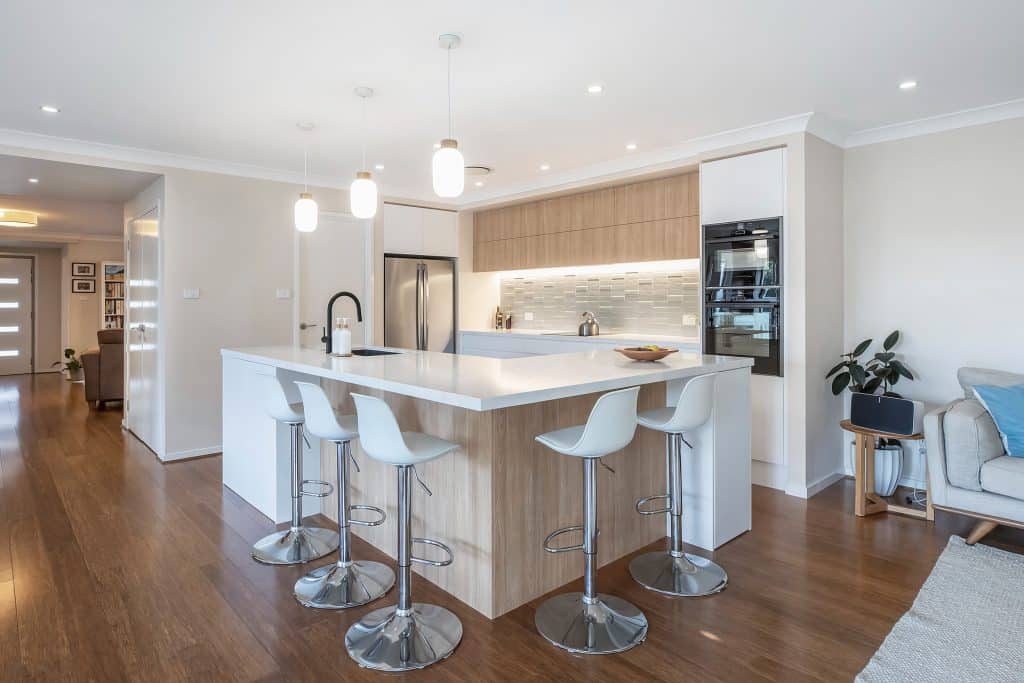
What Are Site Constraints?
A site constraint is any condition that affects the design, construction, or functionality of a renovation project.
Some constraints are obvious, such as the size of a room or the location of structural walls. Others may not become apparent until detailed investigations, measurements, engineering assessments, or council reviews are completed.
Common site constraints can include:
- Property boundaries
- Existing structural elements
- Ceiling heights
- Plumbing locations
- Electrical infrastructure
- Window and door positions
- Heritage restrictions
- Building regulations
- Sloping blocks
- Access limitations
- Drainage requirements
- Natural light availability
Each property has its own unique set of conditions that influence what can realistically be achieved.
Why Site Constraints Matter
Many renovation challenges arise when designs are developed before the limitations of the site are fully understood.
A layout may look perfect on paper but prove difficult once structural requirements, services, or access issues are considered. Discovering these challenges later can lead to redesign costs, project delays, and budget increases.
Identifying constraints early helps ensure that design concepts are grounded in reality from the beginning. This allows the project team to focus on solutions that are both attractive and achievable.
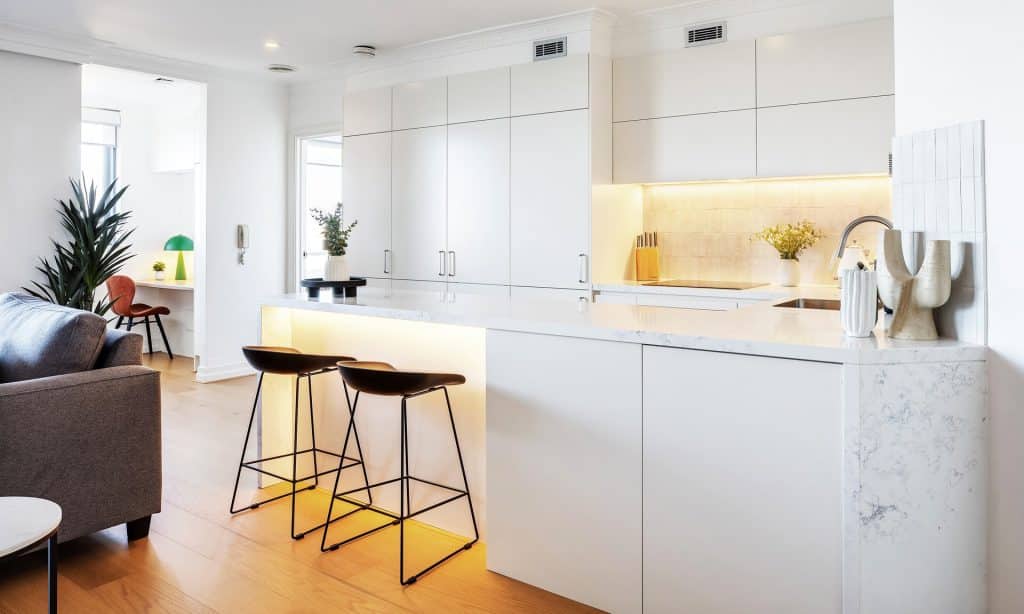
Structural Considerations
One of the most significant site constraints involves the existing structure of the home. Walls that appear simple to remove may actually be load bearing. Ceiling structures, roof framing, support beams, and foundations can all influence how far a layout can be altered.
While structural modifications are often possible, they may require engineering input and additional construction work. Understanding these requirements early helps establish realistic budgets and timelines.
A renovation that works with the structure where possible can often achieve excellent results while reducing complexity.
Plumbing & Services
Moving sinks, appliances, bathrooms, or laundries may seem straightforward during the design stage, but existing services can have a major influence on cost and feasibility.
Drainage falls, pipe locations, sewer connections, gas services, and electrical infrastructure all need to be considered.
Relocating services across long distances can increase labour requirements and construction complexity. In some situations, maintaining key services close to their original locations can provide substantial savings without compromising functionality.
Understanding these factors before finalising the design helps avoid unexpected surprises later.
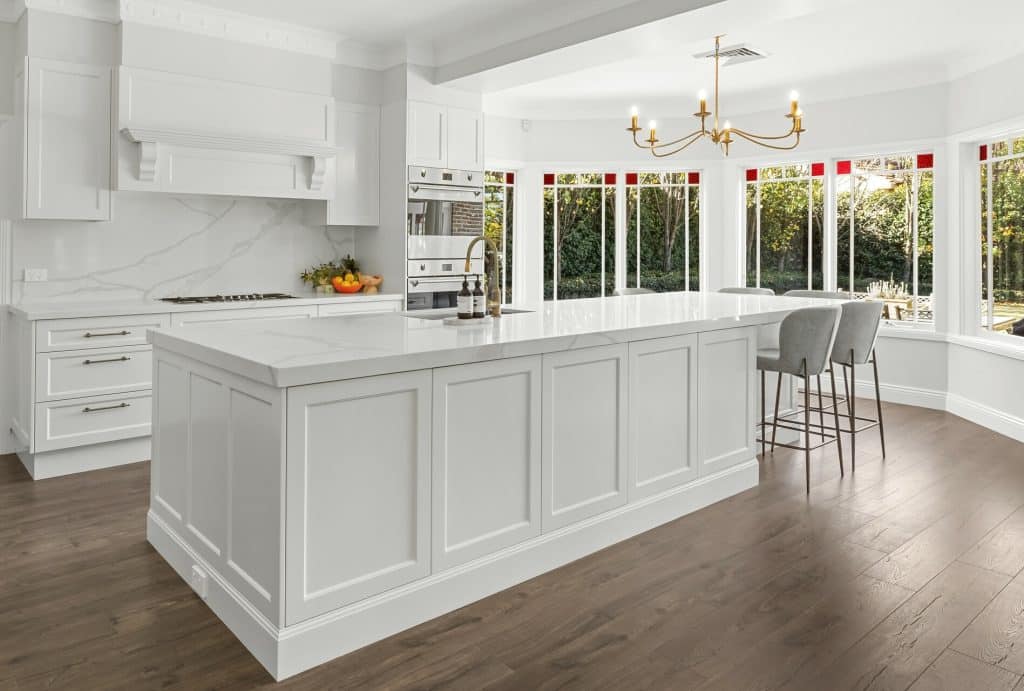
Access Challenges
Access is often overlooked during planning but can significantly affect construction. Properties with narrow side access, steep driveways, limited parking, or restricted entry points can make material deliveries and construction work more difficult.
Large stone benchtops, cabinetry, appliances, and building materials all need a practical route into the home.
Where access is restricted, additional labour, specialised equipment, or alternative installation methods may be required. Considering access early allows these factors to be incorporated into project planning.
Natural Light & Orientation
Every property interacts differently with sunlight throughout the day. A design that ignores natural light may result in dark work spaces, excessive heat gain, or reduced energy efficiency. Understanding the home’s orientation helps create spaces that feel comfortable and functional year-round.
Window placement, shading, skylights, ventilation, and room layout can all be influenced by the property’s relationship with the sun. Good design works with these conditions rather than fighting against them.
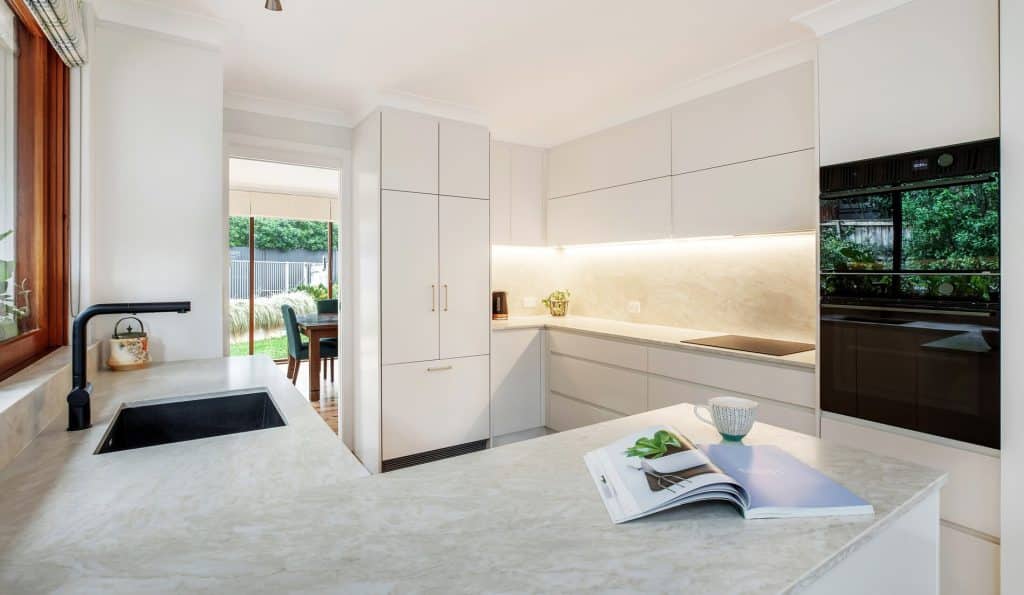
Regulatory Requirements
Not all site constraints are physical. Planning controls and building regulations can also shape what is possible.
Depending on the location and scope of work, there may be requirements relating to:
- Building approvals
- Heritage protections
- Bushfire regulations
- Flood overlays
- Setback requirements
- Energy efficiency standards
- Structural compliance
Understanding these obligations before designs are finalised helps prevent costly revisions during the approval process.
Existing Conditions Matter More Than Plans
Older homes often contain surprises that are not reflected in original drawings. Uneven floors, hidden structural modifications, ageing services, water damage, termite activity, and undocumented alterations can all influence a renovation once construction begins.
Detailed site inspections and accurate measurements are essential because the actual property will always provide more reliable information than historical plans alone.
The more information gathered before finalising the design, the smoother the construction phase is likely to be.
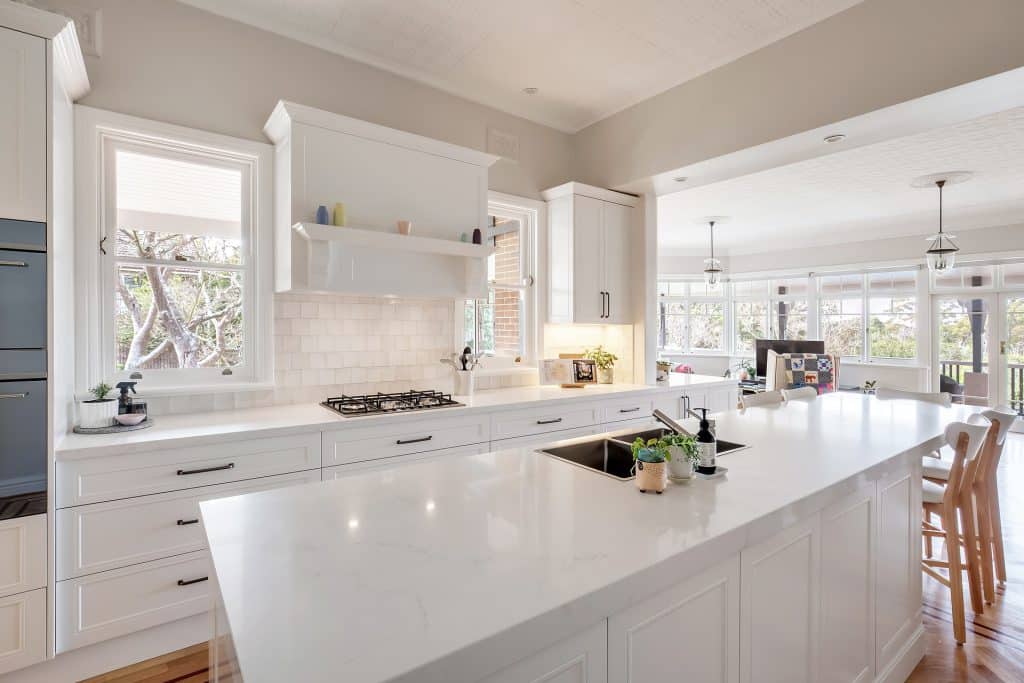
Good Design Responds to Constraints
The most successful renovations are rarely those with the fewest constraints. They are usually the projects where constraints were understood and addressed intelligently.
An experienced design team looks beyond limitations and focuses on opportunities. A structural wall may become a design feature. A difficult layout may inspire a smarter storage solution. Limited space may encourage more efficient planning.
Contact Nouvelle About Your Renovation
Every renovation site comes with its own challenges, opportunities, and limitations. Understanding those conditions before finalising your design helps create a stronger foundation for the entire project.
When site constraints are identified early, expectations become clearer, budgets become more accurate, and design decisions become more informed. Rather than creating obstacles, this knowledge allows your renovation team to develop solutions that work with the property, resulting in a smoother process and a more successful outcome.
For more design tips and inspiration, head over to our News section or explore our Projects gallery to see how we’ve helped others create their dream homes.
Because when it comes to flooring, you’re not just walking on it, you’re building the foundation for how your home looks and feels. Let’s make it perfect together!
Our state-of-the-art Business Management System, unique to Nouvelle, allows us to operate with a level of scheduling expertise that sets us apart from other providers. It takes the headache out of your renovation, so you enjoy your new space without the stress.
If you enjoyed our post, let us know your thoughts on our Facebook Kitchen Renovation and Design Ideas group!
If you have questions about your renovation or remodel and want to know how to make a statement in your home, contact us at Nouvelle.