Sustainable design has moved well beyond trend status. For many homeowners, it has become a guiding principle when planning a renovation. Flooring is one of the most influential design elements in any space, so choosing an eco-friendly option can significantly reduce your home’s environmental impact without compromising style, durability or comfort.
This guide explores the best sustainable flooring choices available today, along with practical tips to help you make an informed and genuinely eco-friendly decision for your renovation.
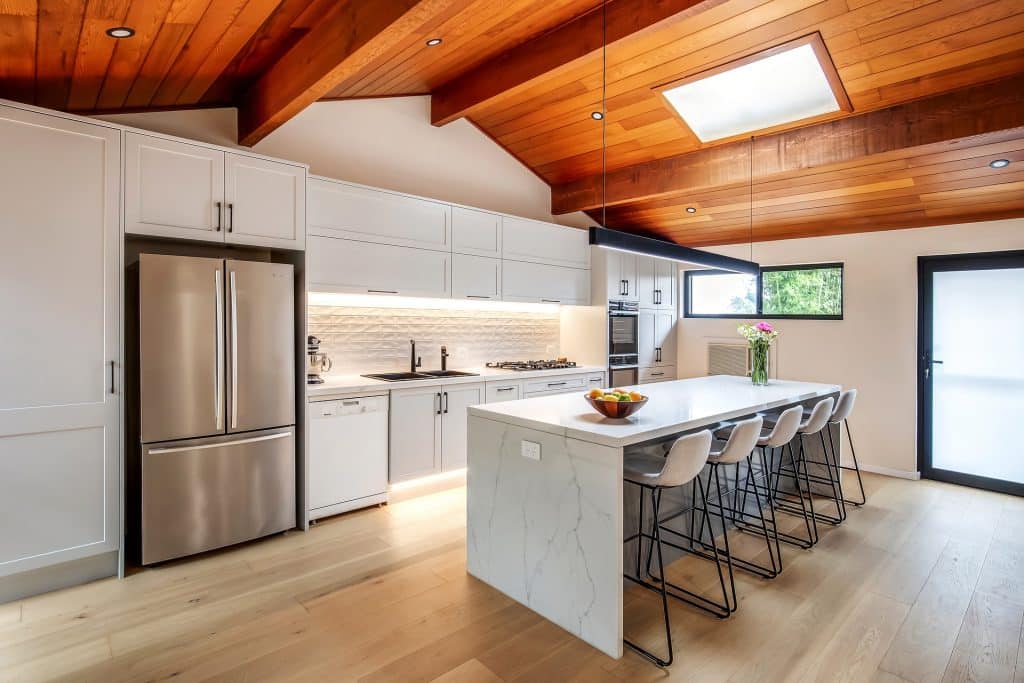
Why Sustainable Flooring Matters
Flooring covers large areas of your home, which means the materials you choose have long-term environmental implications. Traditional flooring products can involve high energy consumption, non-renewable resources, or harmful chemicals. In contrast, sustainable flooring options prioritise:
- Low environmental impact
- Renewable or recycled materials
- Durability and long-life spans
- Healthy indoor air quality
A well-chosen material can reduce your carbon footprint and contribute to a healthier home.
Top Sustainable Flooring Choices for Modern Homes
1. Bamboo Flooring
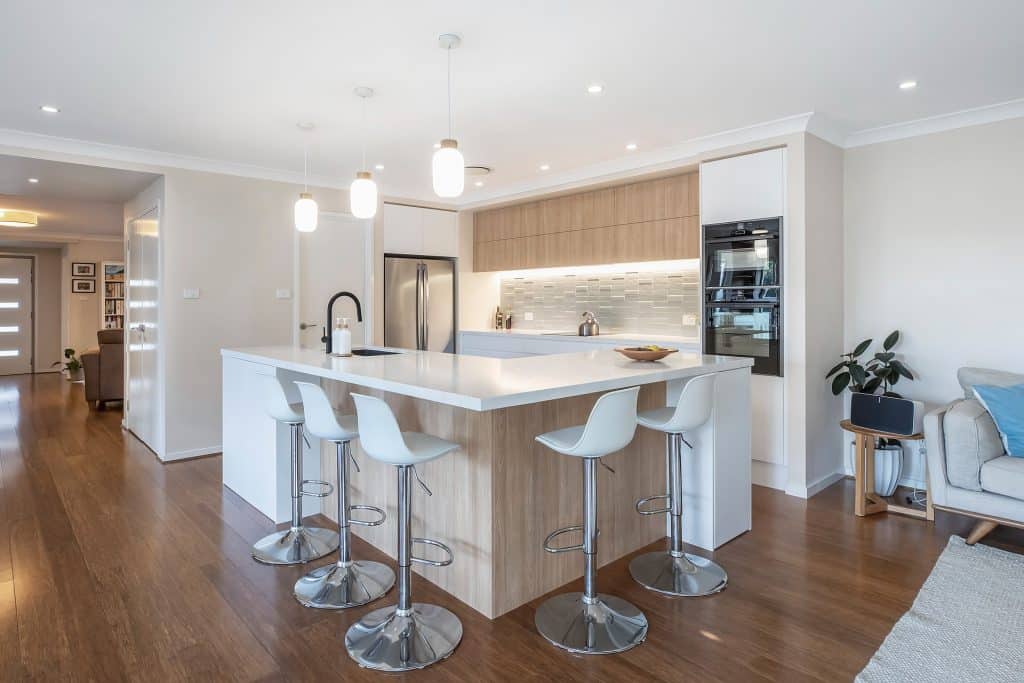
Bamboo is celebrated for its rapid regrowth and high durability. Although it resembles hardwood, bamboo regenerates much faster than traditional timber species. Quality matters with bamboo, as manufacturing standards can vary. Look for products certified by reputable sustainability bodies to ensure responsible harvesting and low VOC adhesives.
Best for: Living areas, bedrooms, open-plan spaces
Why it works: Hard-wearing, contemporary appearance, fast renewable source
2. Cork Flooring
Cork is harvested from the bark of cork oak trees without cutting them down, allowing the bark to regenerate. It offers excellent comfort underfoot, natural insulation, and antimicrobial properties. Cork’s unique texture suits a wide range of interior styles.
Best for: Bedrooms, living rooms, playrooms
Why it works: Renewable, comfortable, warm, naturally insulating
3. Recycled Timber
Recycled or reclaimed timber is one of the most environmentally conscious choices available. Instead of using newly harvested wood, reclaimed timber gives new life to existing materials, often with beautiful character and history built in.
Best for: Living areas, hallways, feature flooring
Why it works: Reduced demand on forests, distinctive appearance, long-lasting
4. Linoleum (Not to Be Confused with Vinyl)
Linoleum is made from natural materials like linseed oil, pine resin, wood flour and jute backing. It is biodegradable, durable and available in a wide range of colours. Not to be confused with vinyl, which is a synthetic petroleum-based product, linoleum is an eco-friendly, low-maintenance alternative with a modern finish.
Best for: Kitchens, hallways, multipurpose rooms
Why it works: Natural materials, long lifespan, excellent durability
5. Recycled Carpet & Natural Carpet Fibres
Carpet can also be sustainable when chosen carefully. Options include natural fibres such as wool, coir or sisal, as well as carpets made from recycled plastics. Wool remains the premium choice for warmth, longevity and biodegradability.
Best for: Bedrooms, media rooms
Why it works: Warmth, acoustic benefits, reduced waste
6. Polished Concrete
As a low-maintenance, highly durable material, polished concrete is increasingly chosen for its minimalist aesthetic and sustainability potential. Because it utilises the existing slab, it reduces the need for additional materials. Its thermal mass can also support energy-efficient heating and cooling.
Best for: Open-plan areas, kitchens, contemporary homes
Why it works: Extremely durable, minimal additional materials, energy efficient
How to Make the Most Eco-Friendly Flooring Decision
Choosing sustainable flooring is not only about material selection. Consider the full lifecycle of the product:
1. Check Third-Party Certifications
Independent certifications, such as FSC (Forest Stewardship Council), PEFC, or GECA, help confirm that the product meets sustainability standards.
2. Assess VOC Levels
Low-VOC and no-VOC finishes and adhesives reduce indoor air pollution, promoting a healthier home.
3. Prioritise Durability
The most sustainable option is often the one that lasts the longest. A long-lasting floor reduces waste, energy use and replacement materials.
4. Consider Installation & Maintenance
Some materials require gentler cleaning products and minimal chemicals, which contribute to ongoing sustainability.
5. Think Locally Where Possible
Locally sourced materials reduce transportation emissions and support local suppliers.
Contact Nouvelle About Your Renovation
Sustainable flooring offers the chance to blend thoughtful design with long-term environmental responsibility. Whether you are drawn to the warmth of recycled timber, the comfort of cork, or the clean lines of polished concrete, choosing eco-friendly materials ensures your renovation supports a healthier home and a more sustainable future.
For more design tips and inspiration, head over to our News section or explore our Projects gallery to see how we’ve helped others create their dream homes.
Because when it comes to flooring, you’re not just walking on it, you’re building the foundation for how your home looks and feels. Let’s make it perfect together!
Our state-of-the-art Business Management System, unique to Nouvelle, allows us to operate with a level of scheduling expertise that sets us apart from other providers. It takes the headache out of your renovation, so you enjoy your new space without the stress.
If you enjoyed our post, let us know your thoughts on our Facebook Kitchen Renovation and Design Ideas group!
If you have questions about your renovation or remodel and want to know how to make a statement in your home, contact us at Nouvelle.